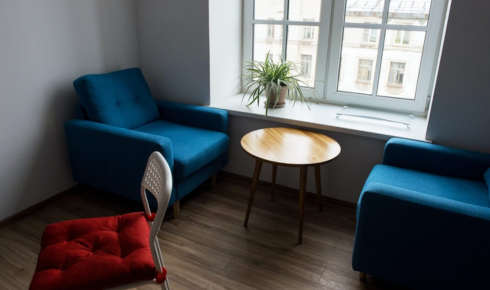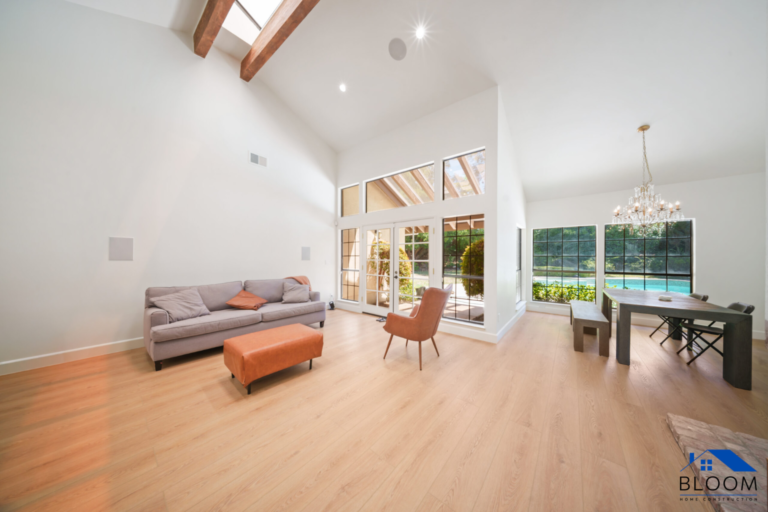
A well-designed home has a way of making you feel comfortable before you’ve even had time to notice why. Maybe it’s the sunlight falling across a wooden floor in the morning, a reading corner that feels tucked away from the rest of the house, or a kitchen where everyone naturally gathers, even when nobody planned to stay long. These details may seem small, but they’re often what make a space memorable.
Good design is rarely about choosing the most expensive furniture or following every trend that appears online. It comes from understanding how people live, what matters to them, and how a home can support the everyday moments that make life feel full. The most successful interiors balance appearance with purpose, creating rooms that look considered without feeling overly arranged.
Design Begins With Listening
Before colors, materials, or furniture enter the conversation, there’s a more important question to answer: how will the space actually be used?
A family with young children may need durable finishes, generous storage, and open areas where everyone can spend time together. Someone who works from home might value a quiet office with natural light, while a couple who enjoys hosting friends may want a kitchen and dining area that encourage conversation. There isn’t one right answer because every household has its own rhythm.
Listening carefully at the beginning helps designers make decisions that serve real needs instead of simply creating an attractive photograph. It also brings clarity to the process. When priorities are understood early, it becomes easier to decide where to invest, which details can be simplified, and what deserves special attention.
Of course, preferences can change as ideas develop. That’s part of the process, not necessarily a problem. The trick is to keep returning to the original purpose of the space, especially when too many options start competing for attention.
Finding the Balance Between Beauty and Function
A room can look wonderful in a magazine and still be frustrating to live in. A beautiful sofa that blocks the natural walking route, a dramatic light fixture that leaves the dining table poorly lit, or a bathroom with too little storage can quickly turn an appealing design into an everyday annoyance.
Practical planning prevents many of these issues. Furniture needs room to breathe, doors should open comfortably, and lighting should support the activities that take place in each area. Storage matters, too. Even the most thoughtfully styled room can feel cluttered when there’s nowhere to put the things people use every day.
This is where thoughtful design earns its value. It considers how the different parts of a home work together, rather than treating each room as a separate decorating exercise. A consistent palette can connect one space to another, while changes in texture, lighting, and furniture give each room its own identity.
The result doesn’t have to be perfect or overly polished. In fact, a home often feels more inviting when it leaves room for personal objects, a slightly mismatched chair, or the books and photographs that tell visitors something about the people who live there.
Why Materials and Details Matter
Materials influence a room in ways that go beyond color. Natural wood can introduce warmth, stone may add a sense of permanence, and linen or wool can soften an otherwise structured interior. The way these surfaces age also matters. Some develop character over time, while others need more careful maintenance to retain their original appearance.
Choosing materials is therefore both an aesthetic and practical decision. A busy household may benefit from surfaces that are easy to clean and resistant to wear. In a quieter space, delicate finishes or more expressive materials might be worth considering. The best choices depend on the people using the home, the amount of maintenance they’re comfortable with, and the atmosphere they want to create.
Designers also need to consider how materials meet. A carefully finished edge, well-aligned cabinetry, or thoughtfully placed handle might not attract much attention on its own, yet these details contribute to the overall feeling of quality.
When several projects are managed with this level of care, the value becomes clear: good design isn’t just the sum of attractive products. It’s the result of making many connected decisions that work together, from the broad layout down to the smallest finish.
Learning From Each Design Experience
Every home presents a different set of possibilities and limitations. One property may have beautiful architectural features worth preserving, while another needs a more substantial rethink to make the rooms feel connected. Sometimes the challenge is working with a small footprint. Elsewhere, the difficulty lies in making a large, open space feel welcoming rather than empty.
A featured project can offer a useful look at how these decisions come together. Rather than focusing only on the finished photographs, it’s worth considering the thinking behind the result. What problem needed solving? Which original features were retained? How were the materials selected, and what compromises helped keep the design practical?
These questions reveal the work that happens behind the scenes. They also help homeowners recognize that a successful result doesn’t always come from a dramatic transformation. Reworking a layout, improving storage, or getting the lighting right can sometimes make a bigger difference than replacing everything in sight.
Looking at completed work can also help people explain what they like. Perhaps they’re drawn to warm neutrals, architectural simplicity, or rooms that combine old and new pieces. Those preferences provide a starting point, but the goal is to adapt useful ideas to a particular home rather than copy another space exactly.
Giving a Home a Sense of Place
A house should reflect more than a collection of design choices. Its surroundings, history, and local character can all influence how it feels.
Consider gray’s bay, where the relationship between a home and its environment can inspire thoughtful choices in color, texture, and natural light. The broader lesson applies anywhere: a design often feels more authentic when it responds to its setting instead of ignoring it.
That might mean using a softer palette to complement a landscape, framing a view rather than covering it, or choosing materials that feel appropriate to the building’s character. In an older property, preserving original details can help maintain a sense of history. In a newer home, carefully chosen finishes and personal objects can keep clean architectural lines from feeling impersonal.
Local character doesn’t need to become a theme. A few considered references are often more effective than filling a room with obvious decorative symbols. The aim is to create a connection that feels natural, not forced.
Making the Process Feel Manageable
Even an exciting interior project can become stressful when decisions pile up or expectations aren’t clear. Budgets, delivery dates, construction work, and material selections all need attention, and changes in one area can affect another.
A clear plan helps everyone stay on the same page. Establishing priorities, agreeing on a realistic budget, and making important selections early can reduce last-minute surprises. It’s also sensible to leave some flexibility for unexpected conditions, particularly when renovating an older property.
Communication matters just as much as planning. Homeowners should feel comfortable asking questions and understanding why a particular recommendation has been made. A good working relationship makes it easier to resolve problems without losing sight of the bigger goal.
Not every decision will be exciting. Some will involve measurements, maintenance requirements, or practical compromises. Yet these less glamorous steps often protect the quality of the final result.
Creating Spaces That Last
Trends can be enjoyable, and there’s no reason a home should avoid personality or a little experimentation. Still, the strongest interiors tend to have a foundation that can evolve. Comfortable layouts, useful lighting, quality materials, and a clear understanding of how people live are unlikely to lose their value when fashion changes.
Personal touches can then bring the space to life. Artwork collected over the years, a table passed down through the family, or a color chosen simply because it makes someone happy can give a room meaning that no catalogue can supply.
Ultimately, good design is about making daily life feel a little easier and more enjoyable. It creates places where people can rest, gather, work, celebrate, and simply be themselves. When thoughtful planning meets genuine personality, a home becomes more than an attractive interior. It becomes a place that feels right, not just today, but for years to come.