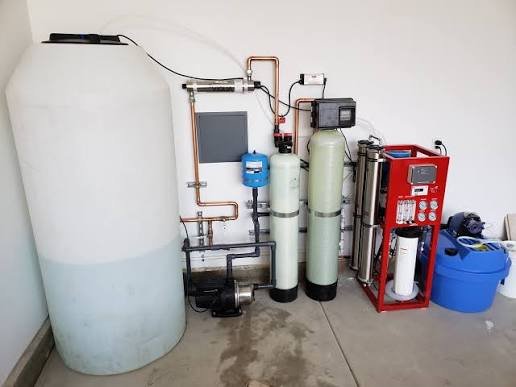
Water is part of nearly every routine at home. We use it to make coffee in the morning, cook dinner, wash clothes, clean dishes, and keep ourselves comfortable throughout the day. Because it’s so familiar, it’s easy to overlook its quality until something seems off. Perhaps the tap water tastes unusual, white marks keep appearing on shower glass, or soap never seems to lather properly. These small signs can leave homeowners wondering whether their water needs attention.
The good news is that improving water quality doesn’t always mean installing an expensive system or making major changes to your plumbing. The right solution begins with understanding what is actually in the water and how it affects your household. Once you know the problem, you can choose a treatment approach that makes sense for your needs, budget, and daily habits.
Understanding What’s in Your Water
Water quality can vary considerably from one area to another. Some homes receive water that contains relatively high levels of calcium and magnesium, which cause hardness. Others may experience unpleasant tastes, odours, sediment, or particular contaminants that require targeted treatment. Even water that looks perfectly clear may contain dissolved substances that aren’t visible to the naked eye.
That’s why testing is a useful first step. Rather than guessing based on taste or appearance, a water test can help identify the characteristics that matter. Depending on the source and local conditions, testing may examine hardness, pH, iron, dissolved solids, or specific contaminants. If you use a private well, periodic testing is especially important because water quality can change over time.
A proper assessment also helps determine whether filtration & purification is needed throughout the home or only at selected points. For instance, a whole-house filter may be appropriate when the goal is to treat incoming water for certain particles or substances, while a dedicated drinking-water system may be more practical for improving water at the kitchen tap. The details matter; one product rarely solves every water issue.
Why Hard Water Can Become a Household Headache
Hard water is common in many regions, and its effects often show up in ordinary, frustrating ways. Soap leaves a film on shower doors, spots remain on glassware after washing, and mineral deposits collect around faucets. You might also notice that towels feel rough or that cleaning the bathroom takes longer than it should.
These deposits form because hard water contains dissolved minerals, mainly calcium and magnesium. When water evaporates, some of those minerals remain on surfaces. Scale can also accumulate inside pipes, water heaters, and certain appliances over time. The amount of buildup depends on water hardness, usage, temperature, and the condition of the plumbing system.
For households dealing with these issues, water softener systems can help reduce hardness by removing calcium and magnesium from the water through an ion-exchange process. In a typical system, hardness minerals are exchanged for sodium or potassium ions, and the unit periodically regenerates to restore its capacity.
Softened water may make cleaning easier, reduce scale formation, and help soap work more effectively. However, it’s important to understand what softening does and doesn’t accomplish. A softener is not a universal drinking-water purifier, and it doesn’t automatically remove every contaminant. Some households may choose to keep a separate unsoftened line for drinking water, depending on their preferences and the system design.
Choosing a Treatment System That Fits Your Home
The best water treatment setup depends on the problem you’re trying to solve. A household struggling with sediment may need a different filter from one dealing with a strong chlorine taste or high levels of dissolved solids. Before purchasing equipment, consider how much water your household uses, where treatment is needed, and how much ongoing maintenance you’re comfortable managing.
Whole-house filtration systems treat water as it enters the property. They can be useful when the treatment goal applies to several fixtures, such as reducing sediment or addressing certain aesthetic concerns. The filter media and system design should match the results of the water test. A cartridge that works well for one issue may do little for another.
Point-of-use systems treat water at a particular tap or appliance. These are often chosen for drinking and cooking because they focus treatment where it’s most important to the household. The advantage is that you can select technology based on your water’s specific characteristics instead of treating every drop in the same way.
It’s also wise to think beyond the initial purchase price. Filters need replacement, softeners require salt or another regeneration material, and some systems may need periodic sanitising or professional servicing. Ask about maintenance intervals, replacement-part costs, water use, and any changes to water pressure. A system that looks inexpensive at first can become less attractive if its ongoing requirements are difficult to manage.
What Reverse Osmosis Can Do for Drinking Water
For homeowners who want additional treatment at the kitchen sink, reverse osmosis drinking water systems are one option worth understanding. Reverse osmosis uses pressure to move water through a semipermeable membrane that reduces many dissolved substances. Depending on the specific system and its certifications, it can reduce certain salts, metals, and other contaminants.
These systems commonly include prefilters to protect the membrane and may use a post-filter to improve taste. Some models also add minerals back into the treated water. Performance varies, so it’s important to check the manufacturer’s specifications and independent certification information for the particular contaminants you want to reduce.
Reverse osmosis is not automatically necessary for every home. If your water test shows that a simpler filter can address your concern, a more complex system may offer little practical benefit. On the other hand, when testing identifies substances that a certified reverse osmosis unit is designed to reduce, it may provide a useful additional layer of treatment.
There are trade-offs to consider. Conventional reverse osmosis systems can send some water to the drain during production, and the membrane and filters need replacement according to the manufacturer’s schedule. Storage capacity and flow rate also matter if several people regularly fill bottles or cook at home. Choosing a system with suitable capacity can prevent the frustration of waiting for water when everyone is in a hurry.
Maintenance Is Part of Water Quality
Installing a water treatment system is only the beginning. Filters gradually collect particles or reach the end of their useful life, while a softener may need periodic checks to ensure that regeneration is working correctly. Ignoring maintenance can reduce performance and, in some circumstances, affect water quality.
Keep a record of installation dates and filter changes. Follow the manufacturer’s instructions rather than waiting until the water tastes different or pressure drops. If a system includes a storage tank, membrane, or electronic controls, learn which tasks you can safely handle yourself and which should be left to a qualified technician.
If your water source changes, a pipe is repaired, or you notice a sudden shift in taste, colour, or odour, consider testing again. Water quality isn’t necessarily fixed forever. Changes in local supply conditions, well maintenance, or household plumbing can affect what reaches your tap.
Make the Decision With Confidence
Better water begins with clear information, not guesswork. Testing helps identify the actual concern, and a careful review of treatment options can prevent you from paying for features you don’t need. Hardness, taste, sediment, and dissolved contaminants are different issues, so they deserve solutions designed for their specific characteristics.
Take time to compare systems, understand maintenance needs, and ask questions before making a decision. A well-chosen treatment setup can make daily chores easier, improve the taste of drinking water, and help protect plumbing and appliances from avoidable problems. Most importantly, it should fit naturally into your home and be simple enough to maintain.
Water quality may not be the most exciting home improvement topic, but it affects everyday life in ways we notice almost immediately. With the right assessment and a practical approach, you can make informed choices and enjoy water that better suits your household’s needs.