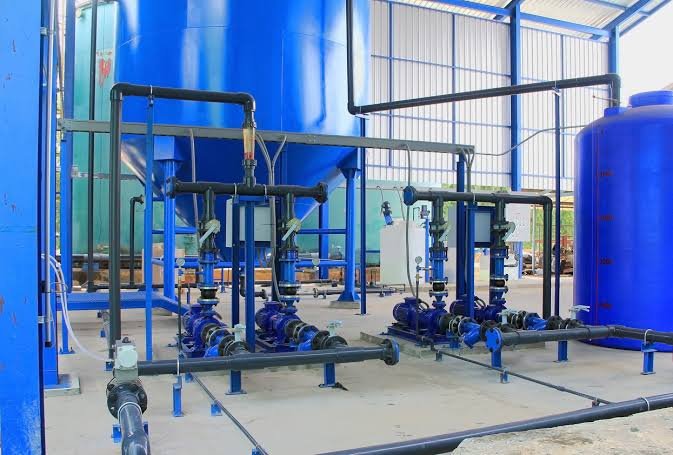
Water quietly supports almost everything we do. It fills the kettle before the first cup of coffee, keeps restaurants running during the lunch rush, helps businesses maintain equipment, and gives families the comfort of a warm shower after a long day. Because it’s always there, it’s easy to assume it’s doing exactly what it should.
But the quality of water isn’t the same everywhere. Local water sources, aging infrastructure, plumbing materials, and naturally occurring minerals can all influence what flows from the tap. Sometimes the signs are obvious—stains on fixtures, unpleasant odors, or cloudy water. Other times, the issues stay hidden until they begin affecting appliances, plumbing, or everyday comfort.
Whether you’re responsible for a family home or a busy commercial property, understanding your water is one of the smartest decisions you can make.
Water Quality Influences More Than Drinking
Most people immediately think about drinking water when the topic of water quality comes up. That’s understandable, but water touches nearly every part of daily life.
It’s used for bathing, cooking, washing clothes, cleaning dishes, preparing food, and operating appliances. In commercial settings, it can affect manufacturing processes, customer experiences, and the lifespan of expensive equipment.
Water isn’t simply another utility. It’s part of how a building functions every single day.
When water quality improves, countless everyday tasks often become easier without anyone noticing the change right away.
Why Every Property Has Different Needs
No two buildings use water in exactly the same way.
A family of four has completely different requirements than a restaurant serving hundreds of customers each day. Likewise, an office building has different water demands than a medical facility, hotel, or manufacturing plant.
That’s why choosing water purification systems should never be based on assumptions alone.
Professional water testing helps identify issues such as hardness, sediment, chlorine, iron, sulfur, or other contaminants before recommending treatment. That information allows homeowners and business owners to invest in equipment designed specifically for their water rather than relying on generic solutions.
The result is better performance and often lower long-term operating costs.
Businesses Depend on Water More Than Many Realize
Commercial facilities often consume significantly more water than residential properties, making water quality even more important.
Restaurants rely on clean water for cooking and beverages. Hotels need consistent water quality for guest satisfaction. Manufacturing operations often require carefully controlled water conditions to maintain production standards. Healthcare facilities depend on reliable water every day.
That’s why commercial water treatment plays such an important role across many industries.
Proper treatment helps protect equipment, reduce maintenance expenses, improve efficiency, and support consistent daily operations. For many businesses, investing in better water isn’t simply about convenience—it’s about protecting productivity and maintaining professional standards.
Homeowners Notice the Difference Too
Water quality isn’t only a concern for businesses.
Families experience the effects of water every day through showers, laundry, cooking, and household cleaning. Hard water can shorten the life of appliances, reduce soap performance, and leave mineral buildup throughout plumbing fixtures.
Modern residential water solutions allow homeowners to address those issues based on their specific water conditions.
Some households benefit from water softeners, while others require reverse osmosis systems, sediment filtration, carbon filters, or customized combinations of multiple treatment methods.
The best solution depends on understanding the actual water entering the home rather than assuming every household has the same needs.
Better Water Protects Valuable Equipment
Water quietly flows through some of the most expensive systems in any property.
Water heaters, coffee makers, ice machines, dishwashers, washing machines, boilers, plumbing fixtures, and industrial equipment all depend on clean, properly treated water to operate efficiently.
Mineral buildup and contaminants gradually reduce performance while increasing maintenance requirements.
Improving water quality helps extend equipment life, reduce unnecessary repairs, and maintain consistent efficiency over many years.
Sometimes protecting appliances becomes one of the largest financial benefits of investing in water treatment.
Cleaner Water Improves Everyday Comfort
Many homeowners initially expect water treatment to improve drinking water alone.
Instead, they often discover improvements throughout the entire house.
Soap rinses more easily. Hair feels softer after showering. Laundry remains brighter. Glassware comes out of the dishwasher without cloudy residue. Even preparing coffee or tea becomes a more enjoyable experience.
Businesses notice similar benefits as equipment operates more consistently and maintenance schedules become more predictable.
These improvements may seem small individually, but together they create a noticeably better experience.
Testing Comes Before Treatment
One of the biggest mistakes property owners make is purchasing filtration equipment without first understanding what’s actually in their water.
Water conditions vary dramatically depending on geography, municipal infrastructure, private wells, and plumbing materials.
Professional testing identifies specific concerns before recommending treatment.
That process eliminates guesswork while ensuring equipment addresses the actual problem rather than simply treating symptoms.
It’s a practical approach that usually produces better results while avoiding unnecessary expenses.
Maintenance Keeps Water Quality Consistent
Installing a treatment system isn’t the end of the process.
Like any important equipment, water filtration and purification systems require routine maintenance to continue performing properly. Filter replacements, equipment inspections, sanitization, and scheduled servicing all contribute to consistent water quality.
Fortunately, maintenance is generally straightforward when performed on a regular schedule.
Keeping systems properly maintained protects the investment while ensuring dependable performance for years to come.
Better Water Is an Investment in Everyday Life
Whether you’re managing a family home or operating a successful business, water plays a role in nearly everything that happens inside the property.
Improving its quality isn’t simply about installing equipment. It’s about creating a healthier, more efficient environment where appliances last longer, maintenance costs remain lower, and everyday routines become more enjoyable.
The right water treatment system doesn’t need to be the most expensive one. It simply needs to match the unique needs of the property it’s serving.
When homeowners and business owners take the time to understand their water before choosing a solution, they usually discover benefits that extend far beyond the faucet. Cleaner water supports healthier living, protects valuable equipment, improves efficiency, and quietly enhances daily life in ways that continue to add value long after installation.
Sometimes the best improvements are the ones you hardly notice at all—because everything simply works the way it should.