
People who rely on well water tend to notice things other homeowners sometimes overlook. You become more aware of how water smells after a storm. You pay attention when the pressure changes unexpectedly. Even small shifts in taste can feel oddly important once you’ve lived with a private water supply for a while.
There’s a certain independence that comes with using well water, and honestly, many families love it. No monthly municipal bill. No dependence on city infrastructure. In some areas, the water even tastes fresher than anything from a public system.
But that independence also comes with responsibility.
Unlike city water, which is treated and monitored by municipalities, private wells are largely the homeowner’s responsibility. And that’s exactly why more families are taking water quality seriously instead of assuming everything is fine because the water “looks clear.”
Water Problems Rarely Announce Themselves Loudly
One of the tricky things about household water is that issues often creep in quietly.
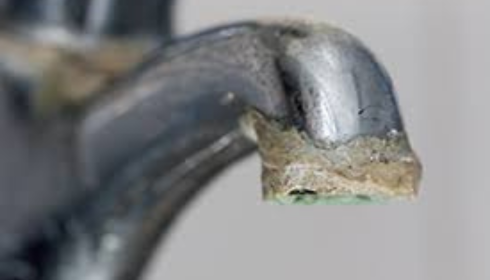
A slight sulfur smell in the morning. Rust-colored staining around sinks. Soap refusing to lather properly. Maybe your coffee starts tasting metallic, or the washing machine leaves clothes feeling stiff. Little annoyances become part of normal life so gradually that many people stop questioning them altogether.
That’s where well water testing becomes incredibly important.
Testing isn’t just about identifying dangerous contaminants — although that certainly matters. It also helps homeowners understand mineral content, sediment levels, bacteria presence, pH balance, and other factors that affect everyday comfort and plumbing performance.
And honestly, many people are surprised by the results. Water that seems perfectly normal can still contain elements that slowly damage appliances or affect long-term household maintenance.
Every Well Has Its Own Personality
No two wells are exactly alike, even within the same neighborhood. One property may struggle with iron-heavy water while another deals with sediment or sulfur odors. Geological conditions, groundwater movement, nearby agriculture, and aging well components all influence water quality differently.
That unpredictability is why generic advice rarely works for everyone.
A friend’s solution might not solve your issue at all. Some homes need softening systems. Others need sediment filters or ultraviolet purification. In many cases, homeowners end up combining several approaches together to create balanced results.
Good water filtration isn’t really about chasing perfection. It’s about creating consistency — water that feels dependable day after day without constant surprises.
And when filtration is matched correctly to the actual condition of the water, the difference becomes obvious pretty quickly.
Small Changes Around the House Start Adding Up
People often expect dramatic improvements after installing treatment systems, but the reality is usually quieter than that.
The dishes stop coming out cloudy. Showers feel gentler on the skin. Faucets stay cleaner longer. Laundry smells fresher somehow. Even cooking can improve because ingredients taste more natural when strong mineral or sulfur notes disappear from the water.
One homeowner I spoke with once described it perfectly. He said he didn’t realize how much his water had been bothering him until it stopped bothering him.
That’s really what better water does. It removes constant low-level frustrations you didn’t fully notice before.
Choosing the Right System Matters More Than Marketing
The water treatment industry can feel overwhelming sometimes. Every company claims their equipment is the best, fastest, smartest, or most advanced solution available. But honestly, technology only matters if it matches the actual problem.
That’s why many homeowners work with trusted providers like ecowater Systems, especially when they want customized recommendations instead of one-size-fits-all products. The goal shouldn’t simply be installing expensive equipment. It should be understanding the water first and building a system around real household needs.
Some homes need aggressive iron removal. Others mainly require softer water for appliance protection. Some families focus heavily on drinking water purity while others care most about reducing maintenance and mineral buildup.
There’s no universal answer, and that’s okay.
Water Quality Affects More Than Plumbing
It’s easy to think of water treatment as purely technical — pipes, filters, minerals, maintenance. But water has an emotional side too, even if people rarely talk about it that way.
Water is part of daily comfort.
It’s the shower you take after a long day. The pasta boiling on the stove while the family talks nearby. The glass of cold water beside the bed at midnight. These tiny moments happen constantly, almost invisibly, until poor water quality interrupts them.
That’s why improving household water often changes the feel of a home more than people expect. It’s not flashy like a kitchen remodel or new flooring. But it quietly improves everyday living in dozens of small ways.
Paying Attention to Water Is Simply Smart Homeownership
At the end of the day, maintaining a private well isn’t about fear or overreacting. It’s just part of responsible homeownership.
Water systems age. Ground conditions shift. Contaminants can appear unexpectedly over time. Regular testing and thoughtful treatment help families stay ahead of problems before they become expensive or stressful.
And honestly, once homeowners experience cleaner, more reliable water throughout the house, most wonder why they waited so long to address it in the first place.
Good water doesn’t demand attention every day — and maybe that’s the whole point. It simply lets life at home feel easier, calmer, and a little more comfortable without constantly reminding you it’s there.