
Water has this funny way of being invisible until it becomes a problem.
In homes, you notice it when the shower leaves your skin dry or the kettle fills with mineral buildup. In commercial spaces, though, bad water can quietly affect everything — equipment performance, customer satisfaction, operational costs, even employee wellbeing. And because the signs often appear gradually, businesses sometimes adapt to poor water conditions without fully realizing how much it’s costing them over time.
Restaurants blame appliances. Hotels blame plumbing. Manufacturing facilities blame maintenance cycles. But underneath all of it, water quality is frequently part of the story.
That’s why more industries are finally treating water management as a serious operational priority instead of an afterthought tucked away in the maintenance budget.
Different Businesses, Different Water Problems
There’s no universal “bad water” issue. A café might struggle with mineral-heavy water damaging espresso machines, while a healthcare facility could be more concerned about sanitation standards or contaminant control. Manufacturing plants often deal with scale buildup, corrosion, or inconsistent supply quality depending on their region.
And honestly, local infrastructure plays a massive role too. Municipal systems vary widely. Some deliver highly chlorinated water. Others contain elevated mineral content or sediment levels. Older buildings introduce another layer of complexity with aging pipes and outdated plumbing materials.
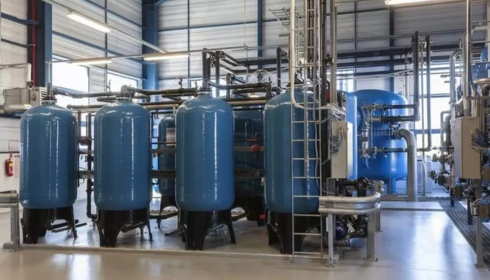
This is where tailored commercial water treatment systems start making real sense. Instead of relying on generic filtration approaches, businesses can install solutions designed specifically around their operational needs.
A hotel may prioritize softening systems to protect laundry equipment and improve guest comfort. A brewery might require advanced filtration for taste consistency. Industrial facilities often need large-scale purification systems capable of handling continuous high-volume demand.
The point isn’t simply cleaner water for the sake of appearances. It’s about performance, reliability, and long-term efficiency.
Customers Notice More Than You Think
Here’s something business owners occasionally underestimate: people absolutely notice water quality, even if they can’t explain why.
A customer may not walk into a restaurant and announce, “Your water filtration needs improvement.” But they will notice if the ice smells strange, the coffee tastes flat, or the glasses come out spotty. Hotel guests notice stiff towels and dry skin after showers. Employees notice unpleasant tap water in break rooms and start bringing bottled water from home.
Tiny experiences shape perception in ways businesses rarely measure directly.
That’s one reason companies are investing more heavily in systems that support cleaner healthier water throughout their facilities. It’s not only about meeting regulations — though that obviously matters — but also about creating an environment that feels more polished, trustworthy, and comfortable for everyone interacting with the business.
Sometimes operational improvements quietly become customer experience improvements too.
Equipment Lasts Longer With Better Water
This part tends to get the finance department’s attention pretty quickly.
Hard water and sediment buildup can shorten the lifespan of expensive commercial equipment much faster than many operators realize. Boilers, dishwashers, cooling systems, water heaters, steam equipment, and industrial machinery all suffer when mineral deposits accumulate internally over time.
The frustrating thing is that damage often develops slowly. Machines don’t suddenly fail overnight. Efficiency gradually declines. Energy consumption creeps upward. Maintenance calls become more frequent. Replacement timelines arrive earlier than expected.
And because these issues unfold gradually, businesses sometimes normalize them instead of tracing the root cause back to untreated water.
Improved filtration and softening systems reduce stress on equipment significantly. In many cases, the savings from fewer repairs and longer equipment life help offset the investment itself over time.
It’s not flashy, admittedly. Water treatment rarely becomes the star of a quarterly meeting. But operational stability has a way of becoming valuable very quickly when businesses depend on consistent performance every single day.
Water Quality Is Becoming Part of Brand Reputation
A few years ago, most consumers probably never thought much about commercial water systems. That’s changing.
People are more informed now. They ask questions about sustainability, sanitation, and environmental responsibility. Businesses that actively invest in water quality improvement often discover those efforts support broader trust and credibility too.
For example, reducing bottled water usage through effective in-house filtration can align with sustainability goals. Better water management can reduce chemical dependency in some operations. Efficient systems may even help conserve water and energy depending on the setup.
Customers may never see the filtration equipment itself, but they experience the results indirectly through cleaner environments, better product quality, and smoother service experiences.
And in competitive industries, those details matter.
The Smartest Approach Starts With Testing
One common mistake businesses make is rushing into expensive systems without fully understanding the problem they’re trying to solve.
Water testing changes everything.
A proper analysis identifies mineral levels, contaminants, sediment issues, bacterial concerns, and other variables specific to the property. Once businesses understand what’s actually present in their water supply, solutions become much more targeted and cost-effective.
Sometimes the answer is simpler than expected. Other times, businesses uncover hidden problems that were quietly affecting operations for years.
Either way, data beats guessing every time.
Clean Water Quietly Supports Everything Else
There’s something almost invisible about good water systems. When they work properly, nobody talks about them. Staff focus on their jobs. Customers enjoy their experience. Equipment performs reliably in the background.
That quiet consistency matters more than people realize.
Water touches nearly every corner of commercial operations — food preparation, sanitation, manufacturing, cleaning, employee comfort, customer perception, and long-term maintenance. When quality issues exist, they ripple outward in ways that aren’t always obvious at first glance.
But when businesses invest thoughtfully in water treatment, things simply run better.
Not dramatically. Not overnight. Just steadily, consistently, and with fewer headaches along the way.